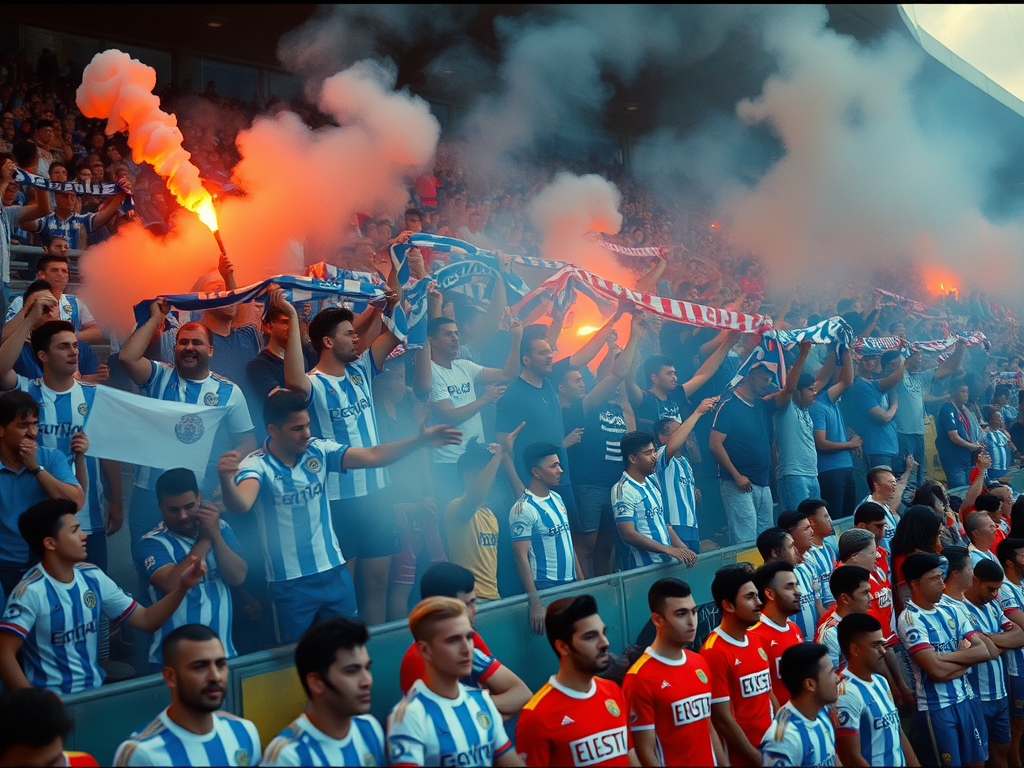
 Independiente Rivadavia
Tactical Adjustments for Independiente Rivadavia: Finding the Right Balance
As Independiente Rivadavia continues to establish its presence in the Liga Profesional Argentina, recent form has revealed strengths and weaknesses that warrant a tactical reassessment. With La Lepra currently grappling with inconsistencies on the pitch, identifying key areas for improvement is crucial for the team’s ambitions moving forward. This article aims to dissect the current tactical setup and propose adjustments that could enhance performance in the remaining fixtures of the season.
Recent Form: Strengths and Weaknesses
In the past few matches, Independiente Rivadavia has displayed commendable attacking flair, particularly through their wing play. The pace and creativity of the wingers have been instrumental in breaking down opposition defenses. However, the team's reliance on wide play has also led to predictability, making it easier for opponents to prepare defensively.
Defensively, while Nicolás Bolcato has been a standout performer, the central defensive pairing has shown vulnerabilities, especially against teams with pacey forwards. The midfield, led by Emmanuel Gómez, has at times struggled to provide adequate support in transitioning from defense to attack, leading to a lack of cohesion in the midfield during critical moments.
Suggested Tactical Tweaks
1. Formation Shift: Transitioning from a traditional 4-4-2 to a more dynamic 4-2-3-1 formation could provide greater flexibility in both attack and defense. This formation allows for a solid double pivot, where Gómez can partner with a more defensively minded midfielder to shield the backline while also facilitating quicker transitions to the attacking players.
2. Utilizing a Central Playmaker: Introducing a central playmaker who can link the midfield and attack would alleviate some of the pressure on the wingers. This player can exploit the spaces in between the opposition's lines, creating more opportunities for the strikers. A player with vision and passing range could significantly improve the team’s ability to break down compact defenses.
3. Defensive Adjustments: To address the defensive frailties, a more compact defensive shape should be encouraged, particularly when the team is out of possession. Implementing a high press in specific situations could disrupt the opposition’s buildup and allow Independiente Rivadavia to regain possession higher up the pitch, enabling quicker transitions into attack.
4. Substitution Strategy: A more proactive substitution strategy during matches could also provide the team with a tactical edge. Introducing fresh legs in the midfield and attack during the latter stages of the game can help maintain intensity and exploit tired opposition defenses.
5. Set-Piece Optimization: Finally, focusing on set-piece scenarios—both offensive and defensive—could yield significant results. La Lepra has shown potential in these situations but needs to develop a more comprehensive strategy to capitalize on opportunities while also ensuring they are organized defensively during opposition set-pieces.
Conclusion
Independiente Rivadavia has the foundational talent to compete effectively in the Liga Profesional Argentina, but tactical adjustments are essential to unlock their full potential. By refining their formation, enhancing midfield dynamics, bolstering defensive organization, and optimizing set-piece strategies, La Lepra can strive for greater consistency and success in their upcoming matches. The upcoming weeks will be pivotal in determining how well these adjustments can be integrated and how they will impact the overall performance of this storied club.