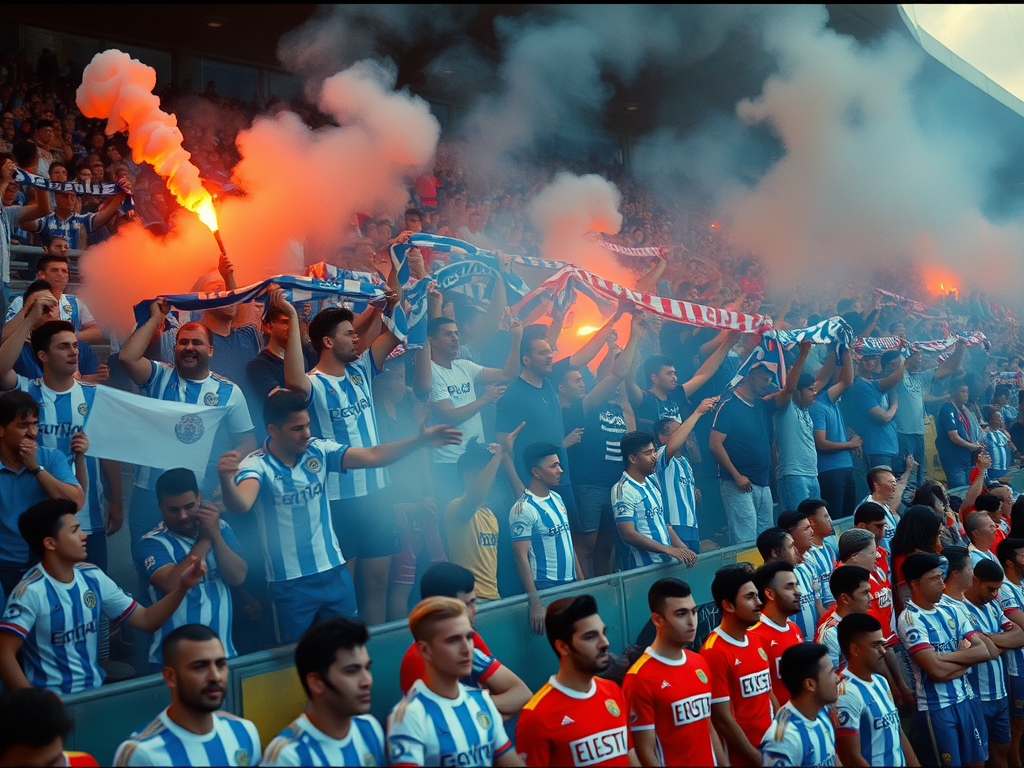
 Independiente Rivadavia
Understanding Independiente Rivadavia's Recent Form
Independiente Rivadavia, affectionately known as La Lepra, has had an eventful season in Liga Profesional Argentina, characterized by moments of brilliance coupled with frustrating inconsistencies. Under the guidance of their coaching staff, La Lepra has demonstrated a solid foundation but has struggled to convert promising performances into wins. An analysis of recent matches reveals both strengths and areas for improvement, particularly in their tactical setup.
Current Tactical Setup
Independiente Rivadavia has primarily employed a 4-2-3-1 formation, which has allowed them to maintain a compact midfield while providing width through the flanks. The double pivot in midfield has been effective in regaining possession, yet it seems that the offensive transitions have often lacked fluidity. The current forward line, while talented, sometimes appears isolated, leading to missed opportunities.
Suggested Adjustments
1. Fluidity in Attack: One of the primary concerns has been the predictability in the final third. To address this, incorporating a more fluid attacking strategy could prove beneficial. Allowing the wingers to interchange with the central attacking midfielder can create confusion for opposing defenses and open up space for late runs from midfield. This could particularly benefit players with pace and technical ability, allowing them to exploit gaps left by defenders.
2. High Press Implementation: While La Lepra has been solid defensively, there are moments where the opposition has been allowed to breathe too easily, especially when building from the back. Implementing a coordinated high press could disrupt the opposition's rhythm and lead to turnovers in advantageous positions. However, this would require enhanced communication among the forwards and midfielders to ensure that they press in unison, preventing gaps that could be exploited on the counter.
3. Utilizing Width Effectively: Although the width has been somewhat present, it hasn’t been fully exploited. Encouraging full-backs to overlap more frequently can stretch the opposition’s defense, creating opportunities for the wingers to cut inside or for the strikers to find space in the box. The integration of full-backs in attacking phases could help diversify the team’s offensive threats.
4. Defensive Stability: While the attacking tweaks are essential, it’s important not to compromise the defensive solidity that has been built. The central defenders must maintain their composure and communication, especially during transitional phases. Encouraging a deeper defensive line when the team is under pressure can help mitigate the risk of being caught on the break.
Conclusion
La Lepra has shown that it possesses the talent and determination to compete at a high level within Liga Profesional Argentina. By implementing these tactical tweaks, Independiente Rivadavia can enhance its performance, ensuring that they not only compete but also thrive in their matches. The upcoming fixtures present an opportunity for the coaching staff to experiment with these adjustments, potentially leading to a more dynamic and successful campaign for La Lepra.