 Independiente Rivadavia
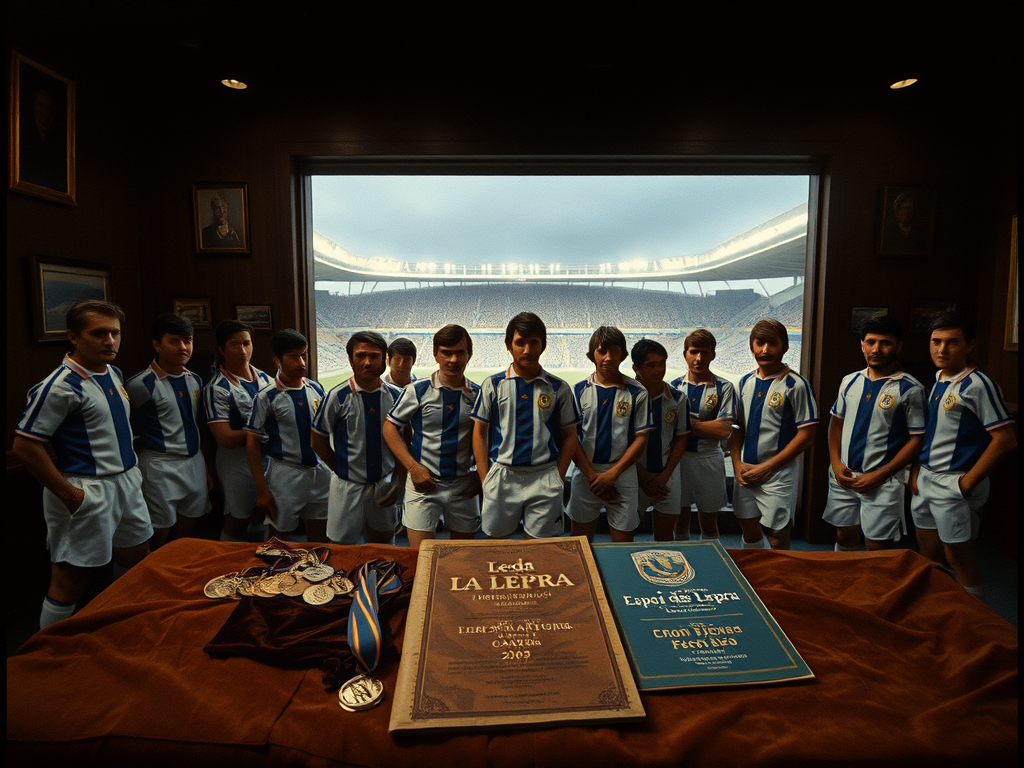
The 1980s were a defining decade for Independiente Rivadavia, a time when the club not only battled against the odds but also began to reclaim its status in Argentine football. After facing challenges in the late 70s, including relegation struggles and financial uncertainties, La Lepra emerged from the shadows with a renewed spirit and determination that resonated throughout Mendoza.
In the early part of the decade, Independiente Rivadavia was still grappling with the consequences of previous years. However, the club’s management recognized the need for a strategic overhaul, focusing on strengthening both the squad and the grassroots initiatives that fostered local talent. This focus on homegrown players proved fruitful, as they began to integrate young, promising talents into the first team, creating a sense of unity and pride among the squad.
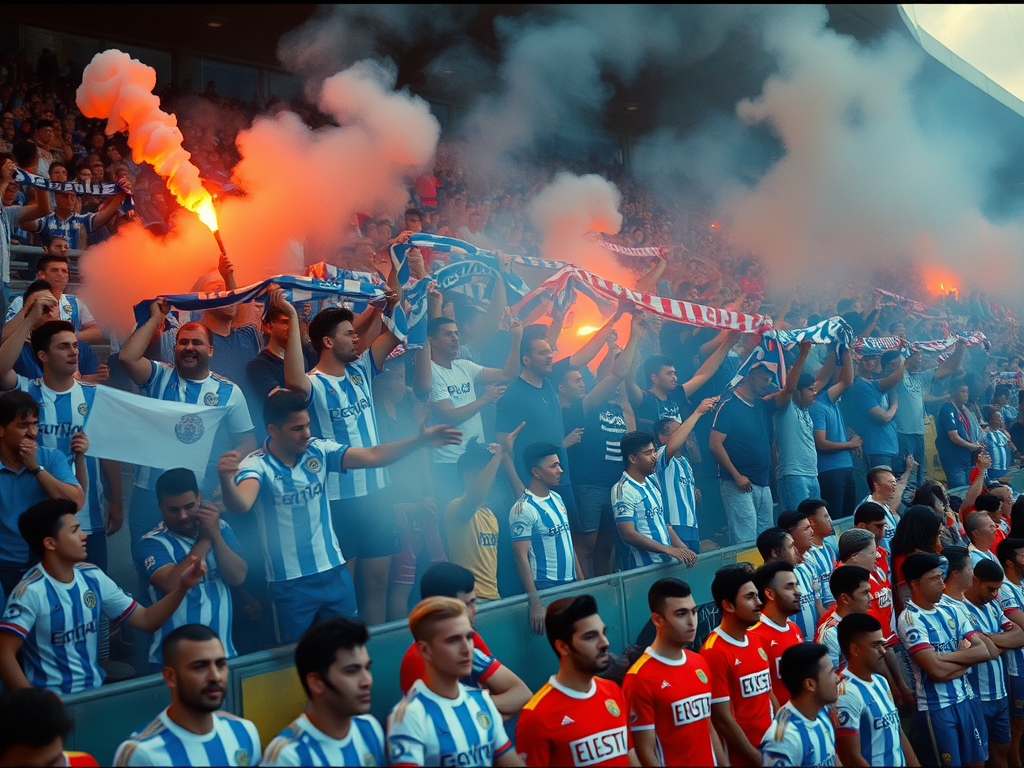
One of the most notable moments of this resurgence came in 1986 when Independiente Rivadavia achieved promotion to the Primera B Nacional, the second division of Argentine football. This was not just a return to competitive football; it symbolized a revival of the club's identity and a reconnecting with the passionate fanbase that had supported them through tough times. The jubilant scenes at the Estadio Bautista Gargantini, where fans celebrated this milestone, are still etched in the memories of those who lived through it.
Throughout the latter half of the decade, La Lepra continued to build on this foundation, showcasing a style of play that combined the grit and determination characteristic of Argentine football with an emerging tactical awareness. This evolution was spearheaded by a mix of experienced players and young prospects, who together formed a cohesive unit on the pitch. The camaraderie and team spirit that developed during this time became a hallmark of the club's ethos, fostering a winning mentality that would carry forward into the future.
Furthermore, the rivalry with Godoy Cruz intensified during the 80s, adding an extra layer of excitement to the matches. These encounters were more than just games; they were a celebration of local pride and identity, drawing in massive crowds and turning every clash into a spectacle. Fans would fill the stands, creating an electrifying atmosphere that spurred the players on to remarkable performances.
As the decade came to a close, Independiente Rivadavia not only solidified its place in the national leagues but also laid the groundwork for future success. The lessons learned during this time—about resilience, community, and the importance of nurturing local talent—would serve as a guide for future generations of La Lepra. The legacy of the 1980s is a testament to the enduring spirit of Independiente Rivadavia, reminding us that every club faces its challenges, but it is how they rise above them that defines their history.
In retrospect, the 1980s were more than just a decade of football for Independiente Rivadavia; they were a period of rebirth and transformation. As La Lepra continues to write its story in the present day, the echoes of that remarkable revival remind the club and its supporters of the power of perseverance and the unwavering passion that binds them.