 Independiente Rivadavia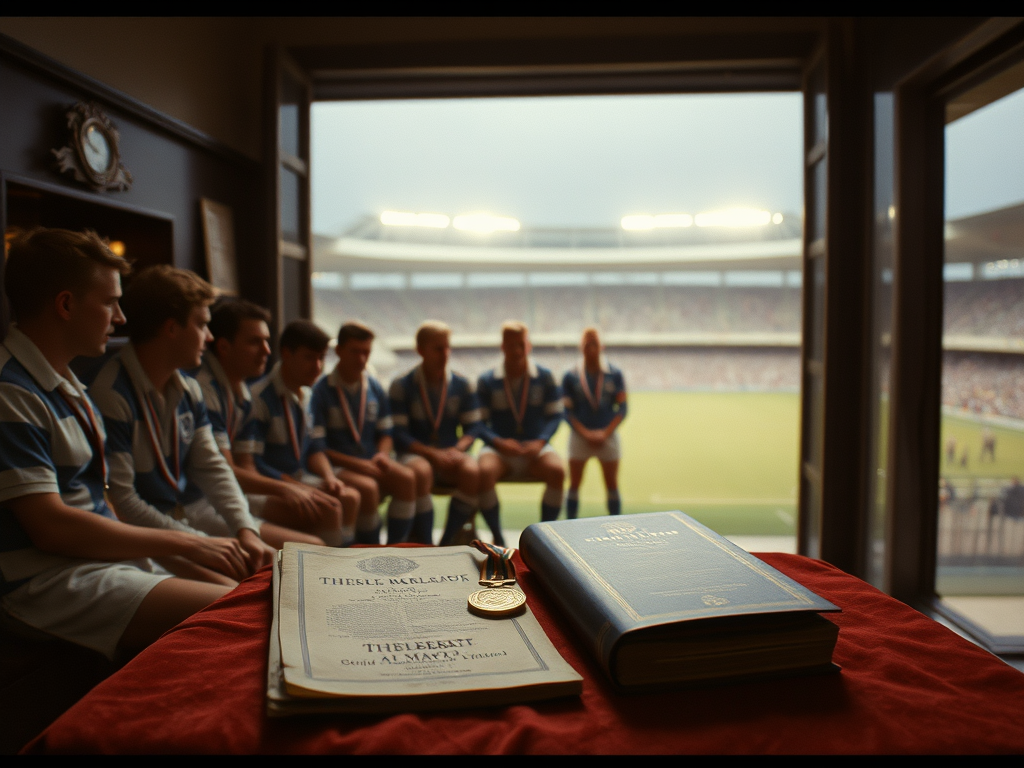
The Forgotten Legacy of Independiente Rivadavia's 1950s Glory Days
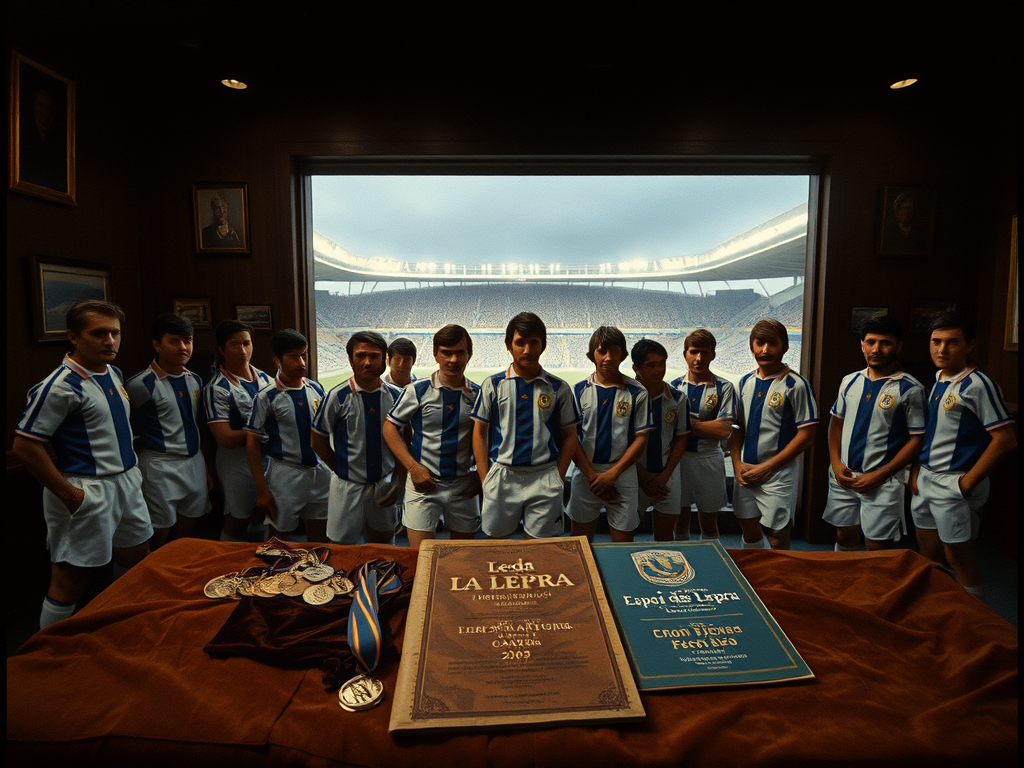
As the football world continues to evolve, some stories from the past remain shrouded in the mists of time, waiting for someone to shine a light on them. One such tale belongs to Independiente Rivadavia, a club known for its fierce passion and loyal following. In the 1950s, La Lepra carved out a reputation that not only elevated its status in Mendoza but also made a significant impact on Argentine football as a whole.
The decade was marked by a series of impressive performances that saw Independiente Rivadavia compete against some of the strongest teams in the country. Under the guidance of visionary coaches and the contributions of talented players, the club showcased an attacking style of play that left fans buzzing with excitement. The 1950s was not just a period of victories; it was a time of identity formation for La Lepra, embedding its ethos deeply into the fabric of Mendoza's culture.
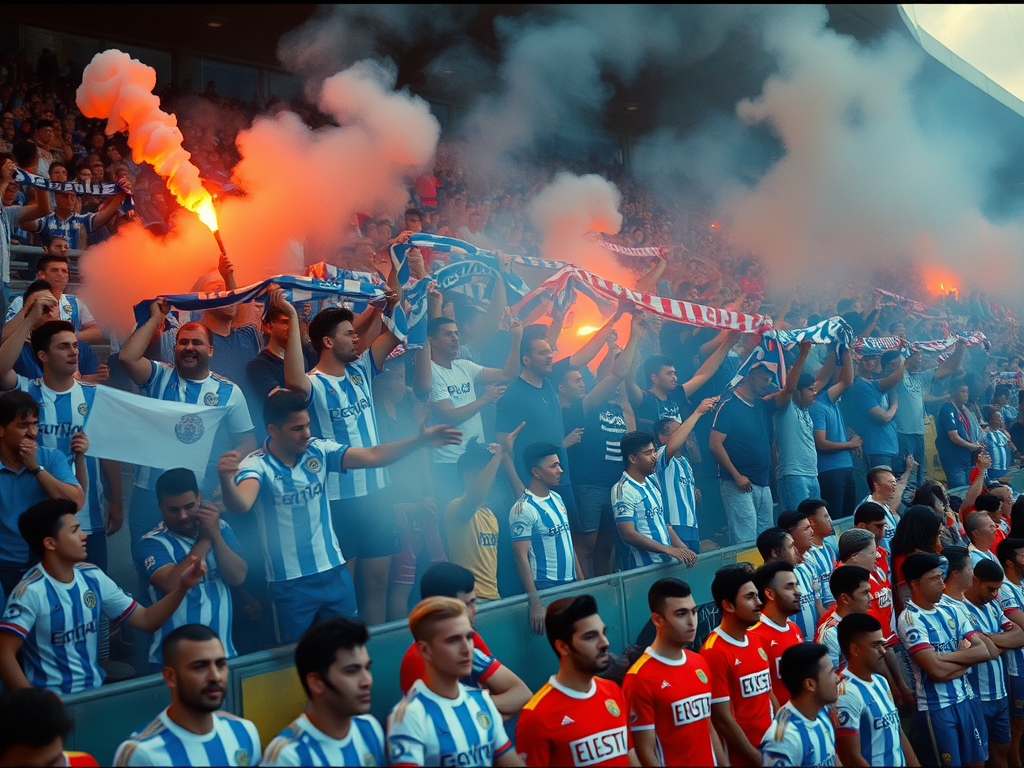
The crowning jewel of this decade came in 1954 when Independiente Rivadavia secured promotion to the Primera División. This achievement was monumental, as it marked the club's first foray into the top tier of Argentine football. The atmosphere at the Estadio Bautista Gargantini was electric that season, with fans turning out in droves to support their team. The streets of Mendoza were alive with the sounds of celebration and pride as La Lepra took to the pitch, ready to face off against the giants of Argentine football.
Independiente Rivadavia's success during this era was not merely coincidental; it was the result of a carefully constructed team that blended experienced players with budding talents. The attack was led by the prolific forward line, while the defense was anchored by stalwarts who embodied resilience and tenacity. This balanced approach allowed Independiente Rivadavia to upset many more established clubs, earning respect and admiration from supporters and rivals alike.
One of the standout matches of this decade was a thrilling encounter against River Plate, where Independiente Rivadavia, playing with heart and determination, managed to secure a memorable draw. Matches like these helped solidify the club's reputation as a team that could not be underestimated, even when facing the giants of the league.
The legacy of the 1950s extends beyond just the results on the pitch; it was a time when Independiente Rivadavia began to forge a unique identity. The club's culture evolved, and its fans grew more passionate and dedicated, creating a vibrant community that continues to thrive today. The echoes of those decades can still be felt in the stands of the Estadio Bautista Gargantini, where the chants and colors of La Lepra resonate with pride.
As we reflect on the history of Independiente Rivadavia, it is vital to acknowledge the significance of the 1950s. This era laid the foundation for future successes and instilled a sense of pride among the club's supporters that endures to this day. While the modern game continues to present challenges, the spirit of that golden decade serves as a reminder of what La Lepra can achieve when united.
In revisiting moments from the past, we not only celebrate the achievements of Independiente Rivadavia but also reignite the passion that defines this remarkable club. As La Lepra continues to build on its storied history, let us not forget the legacy forged in the 1950s, a testament to the club’s enduring spirit and the unwavering loyalty of its fans.