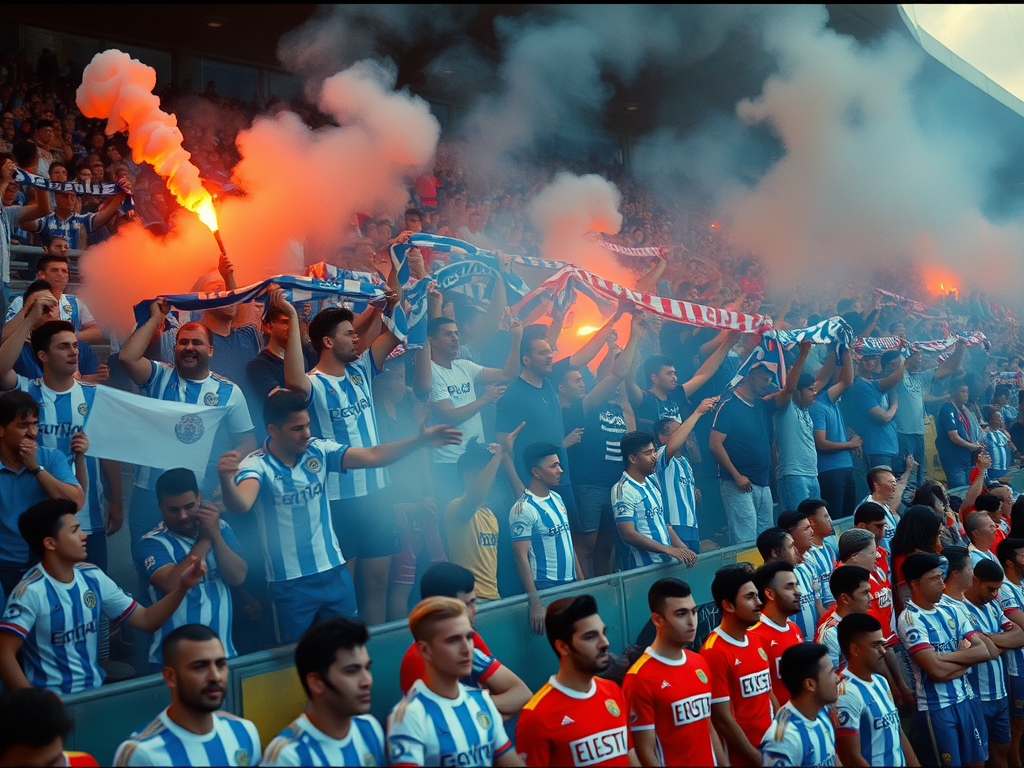
 Independiente Rivadavia
Independiente Rivadavia, affectionately known as La Lepra, is currently experiencing a mix of highs and lows in the Liga Profesional Argentina. While their recent form has shown glimpses of brilliance, particularly in attacking phases, there remains a pressing need for tactical refinement to ensure consistency. Here, we delve into their recent performances and propose some strategic tweaks that could elevate the team’s overall effectiveness.
Current Tactical Setup
La Lepra has predominantly employed a 4-2-3-1 formation, which offers a balance between defensive solidity and attacking creativity. This setup allows for a compact midfield, with two holding players providing support to the back four while enabling the attacking trio to exploit spaces left by opponents. However, recent matches have highlighted some vulnerabilities, particularly in transitional phases and when defending set pieces.
Strengths and Weaknesses
One of the key strengths of Independiente Rivadavia lies in their ability to retain possession and build play from the back. Players like T. Bottari have shown exceptional vision, often looking to link up with the attacking midfielders. Yet, the team has struggled with pressing situations, often allowing opponents to exploit gaps between the lines, leading to counter-attacks that have resulted in conceding unnecessary goals.
Suggested Tactical Tweaks
1. Fluidity in the Midfield: To address the pressing issues, a re-evaluation of the midfield dynamics is essential. Introducing a more fluid system, perhaps shifting to a 4-3-3, could allow for greater movement and interchange between the midfielders. This change would enable a more aggressive press, disrupting the opponent’s rhythm and regaining possession higher up the pitch.
2. Wing Play and Overlapping Full-Backs: Independiente Rivadavia has occasionally relied too heavily on central attacks. Utilizing the width provided by the wingers and encouraging overlapping runs from the full-backs could stretch opposing defenses. This tactic would not only create crossing opportunities but also open up central spaces for oncoming midfielders to exploit.
3. Defensive Cohesion: The back four must work on maintaining a solid line, especially during transitions. Implementing drills focused on defensive organization and communication during training can significantly reduce the lapses that have been evident in recent games. Having a designated leader in defense to organize and direct players during these critical moments could also enhance their overall stability.
4. Set-Piece Strategy: Independiente Rivadavia has shown vulnerability in defending set pieces. A tactical overhaul in training sessions focusing specifically on defending corners and free kicks will be crucial. Establishing designated roles for players during these situations—and perhaps even employing a more zonal marking system—could help mitigate the risks associated with set-piece scenarios.
Conclusion
While Independiente Rivadavia has showcased moments of brilliance, the tactical adjustments suggested above could provide the necessary foundation for a more consistent performance throughout the season. By fostering fluidity in the midfield, enhancing wing play, tightening defensive structure, and improving set-piece strategies, La Lepra can not only strengthen their league position but also make a formidable statement in Argentine football. The road ahead is challenging, but with these tweaks, Independiente Rivadavia can look to harness their potential and rise to the occasion.