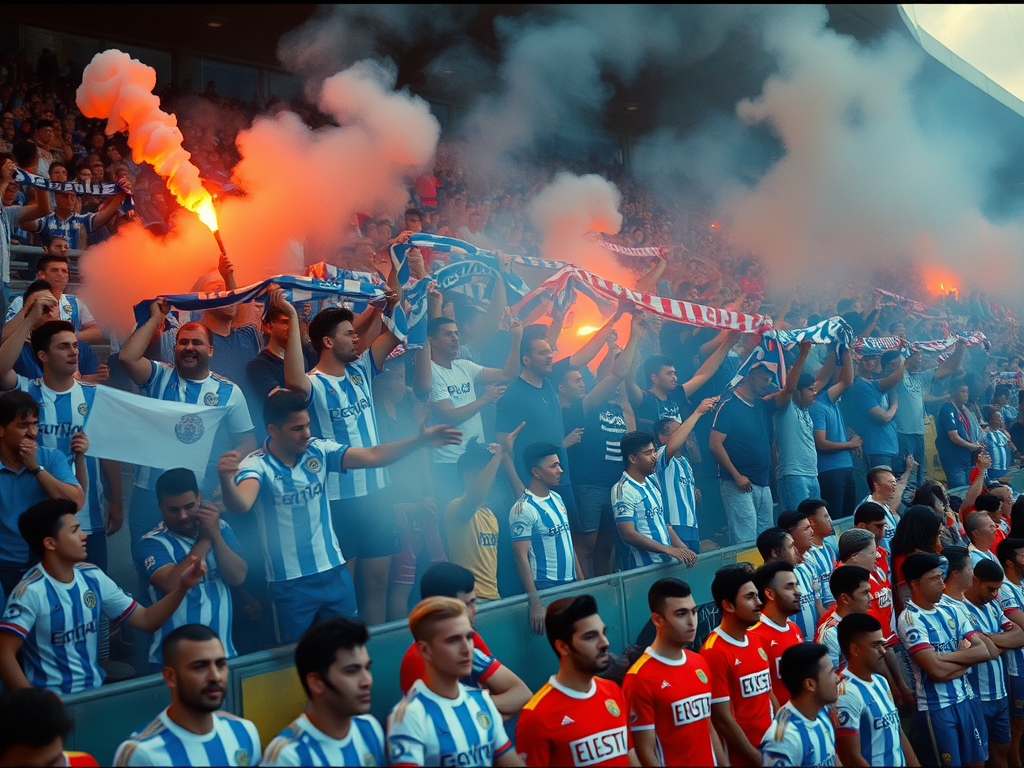
 Independiente Rivadavia
Independiente Rivadavia, affectionately known as La Lepra, has recently shown glimpses of their potential in Liga Profesional Argentina. However, despite some encouraging performances, inconsistencies have prevented the team from solidifying their place among the league's elite. A closer look at their tactical approach can unveil opportunities for refinement that could propel them forward in the competition.
One of the most pressing concerns for Independiente Rivadavia has been their attacking fluidity. While players like Emmanuel Gómez have been pivotal in creating chances, the team often appears disjointed in the final third. This can be attributed to a lack of cohesive movement off the ball, which leads to an over-reliance on individual brilliance rather than a synchronized team effort. To enhance their attacking capabilities, a tactical tweak involving a more dynamic front three is essential. Implementing a fluid rotation system, where forwards interchange positions frequently, could create confusion for opposing defenses and open up space for penetrating runs from the midfield.
Moreover, Independiente Rivadavia's midfield setup has shown promise, but it occasionally lacks the necessary creativity to unlock tightly organized defenses. While T. Bottari and others have held their ground defensively, the transition from defense to attack has been sluggish at times. Encouraging midfielders to adopt a more aggressive stance when pressing can not only recover possession more effectively but also facilitate quicker counter-attacks. By allowing a designated playmaker to drift into advanced positions, La Lepra can create overloads in critical areas, thus enhancing their chances of breaking down opposition lines.
Defensively, Independiente Rivadavia has displayed resilience but has also shown vulnerabilities that have been exploited by opponents. The current backline tends to drop too deep when under pressure, which invites relentless attacks from opposing forwards. A recommended adjustment would be to encourage the center-backs to step forward and engage attackers earlier, thereby maintaining a higher defensive line. This would not only compress the field, making it more difficult for opponents to maneuver but also provide support for the midfield to regain possession higher up the pitch.
Another factor to consider is the importance of set pieces, both offensively and defensively. La Lepra must capitalize on their set-piece opportunities, as they have the height and physicality to pose a threat during corners and free-kicks. Additionally, ensuring that they remain organized during defensive set pieces is crucial to avoid conceding unnecessary goals. Training sessions focused on these aspects could provide a significant boost to their overall performance.
As Independiente Rivadavia continues to face their fierce rivals, including the ever-competitive Godoy Cruz, implementing these tactical tweaks could be the key to unlocking their full potential. A more cohesive attacking strategy, coupled with a proactive defensive approach and better utilization of set pieces, could dramatically shift the trajectory of their season. La Lepra's passionate supporters deserve a team that not only fights hard on the pitch but also plays with intelligence and flair. The upcoming matches will be a true test of whether these adjustments can be effectively integrated into their game plan.